
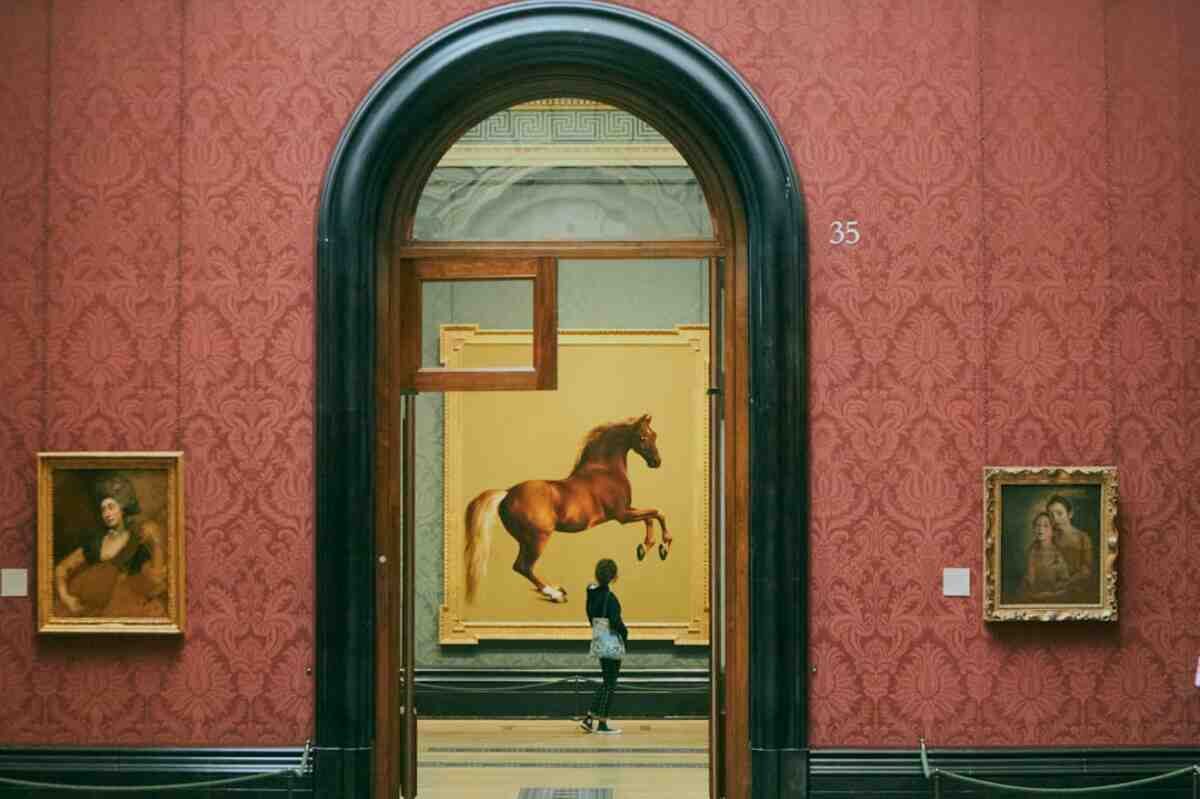

Art, like language, has a way of evolving over time, reflecting societal changes, technological advancements, and the shifting tides of human thought and creativity. Let’s dive into the fascinating journey of modern artwork, exploring how it has transformed from traditional fine art into the diverse and dynamic styles we see today. What do you consider about artwork.
Before we leap into the whirlwind that is modern art, it’s important to understand the foundation laid by classical fine art. Fine art traditionally included disciplines like painting, sculpture, and architecture, with a focus on aesthetics and technical skill. Think of the Renaissance masters like Leonardo da Vinci and Michelangelo, who brought an unparalleled level of detail and emotion to their work.
The Significance of the Renaissance
The Renaissance period was a pivotal era in the history of fine art, marked by a renewed interest in the classical ideals of beauty and humanism. Artists of this era meticulously studied human anatomy and perspective, leading to works that were lifelike and emotionally resonant. The Renaissance also laid the groundwork for future artistic movements by championing individual creativity and expression.
The Classical Techniques
Techniques developed during classical periods, such as chiaroscuro (the use of strong contrasts between light and dark) and sfumato (the technique of blending colors and tones), were revolutionary. These techniques provided artists with tools to create depth and realism in their works, elevating their paintings beyond simple depictions to profound expressions of human experience and emotion.
Influence on Later Movements
The classical tradition has continued to influence artists even into the modern era. Many modern movements, despite their radical departures from realism, owe a debt to the technical skills and aesthetic principles established during these early periods. The emphasis on craftsmanship and the pursuit of beauty are threads that weave through the history of art, even as styles and philosophies evolve.
The Shift to Modernism
As the world entered the 19th century, artists began to break away from classical traditions. The Industrial Revolution and the advent of photography challenged artists to rethink their purpose and methods. This period saw the birth of modernism, where artists started to explore new art styles and concepts.
Industrial Revolution and Art
The Industrial Revolution was a catalyst for change in the art world. With new technologies and materials available, artists began to explore different ways of creating art. The mechanization of society also led to a shift in subject matter, with urban landscapes and industrial scenes becoming more prevalent in artwork.
Photography’s Influence
The invention of photography prompted artists to question the purpose of painting. If a camera could capture reality with precision, what role did painting have? This existential question led to a shift towards abstraction and experimentation, as artists sought to express what the camera could not—emotion, imagination, and the intangible aspects of human experience.
Impressionism: A Break from Tradition
Impressionism, led by artists like Claude Monet, was one of the first movements to break from tradition. Impressionists focused on capturing light and movement, often painting en plein air (outdoors) to capture the essence of a moment. This was a radical departure from the precise, detailed works of their predecessors. Their brushstrokes were visible, colors were applied side-by-side rather than blended, and the subject matter was often everyday scenes.
Exploring New Art Styles
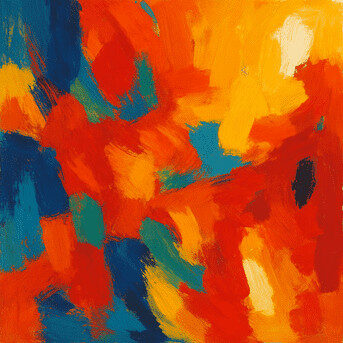
As the 20th century progressed, the art world exploded with new styles. Each movement was a reaction to the previous, pushing boundaries and challenging the status quo.
Abstract Art
Abstract art emerged as artists sought to express themselves beyond the constraints of reality. Artists like Wassily Kandinsky and Piet Mondrian experimented with shapes, colors, and forms to convey emotions and ideas without representing the physical world. Abstract art invites viewers to interpret and connect with the artwork on a personal level.
Emotional Expression through Abstraction
Abstract art allows for a range of emotional expressions, from chaotic and turbulent to serene and harmonious. By removing recognizable forms, artists can focus on color, line, and composition to evoke emotions directly. This approach encourages viewers to engage with the artwork, bringing their own emotions and experiences into the interpretation.
Major Abstract Movements
Within abstract art, various movements emerged, including Cubism, which fragmented objects into geometric shapes, and Abstract Expressionism, which emphasized spontaneous, automatic, or subconscious creation. Each movement had its unique approach but shared the common goal of moving beyond literal representation to explore deeper meanings.
Surrealism
Surrealism, led by Salvador Dalí and René Magritte, took art into the realm of dreams and the subconscious. By juxtaposing unexpected elements, surrealists created fantastical scenes that challenge our perceptions of reality. This movement encouraged artists to delve into their imaginations and explore the depths of the human mind.
The Influence of Psychoanalysis
Surrealism was heavily influenced by the burgeoning field of psychoanalysis, particularly the work of Sigmund Freud. The exploration of dreams, free association, and the subconscious mind became central themes in surrealist art. Artists sought to tap into the irrational and explore the unconscious, producing works that were both bizarre and thought-provoking.
Techniques and Themes
Surrealists employed various techniques to achieve their dream-like quality, such as automatism, where artists created without conscious control, and juxtaposition, placing unrelated objects together to create new meanings. Common themes included dreams, fantasy, and the exploration of the unconscious, aiming to liberate the viewer’s imagination.
Pop Art
In the 1950s and 60s, pop art emerged as a response to the consumer culture of the time. Artists like Andy Warhol and Roy Lichtenstein used imagery from popular culture, such as advertisements and comic strips, to blur the lines between high art and everyday life. Pop art was a celebration of the mundane, elevating it to the status of fine art.
The Role of Mass Media
Pop art reflected the pervasive influence of mass media and consumerism. By using images from advertisements, comic books, and popular media, artists commented on the commodification of culture and the saturation of visual imagery in everyday life. This movement challenged traditional notions of what art should be and what it should depict.
Iconic Works and Legacy
Iconic works such as Warhol’s Campbell’s Soup Cans and Lichtenstein’s comic strip paintings became symbols of the movement. Pop art’s legacy lies in its ability to break down barriers between “high” and “low” culture, paving the way for future artists to explore new mediums and subject matters without the constraints of traditional art forms.
The Influence of Technology on Artwork
With the rise of technology, the art world has experienced yet another revolution. Digital art, for instance, has opened up new possibilities for creation and distribution. Artists can now use software and digital tools to create stunning works of art that were once unimaginable.
Digital Tools and Techniques
Digital technology provides artists with a plethora of tools and techniques to explore. Software programs like Adobe Photoshop and Procreate allow for endless experimentation with styles and effects. Artists can manipulate images, create complex compositions, and experiment with colors and textures in ways that traditional mediums cannot.
The Role of Social Media
Social media platforms have democratized the art world, allowing artists to share their work with a global audience. Artists no longer rely solely on galleries and exhibitions to gain recognition; instead, they can build a following and sell their art online. This shift has empowered artists to take control of their careers and reach new audiences.
Building an Online Presence
Artists today can cultivate an online presence through platforms like Instagram, Pinterest, and TikTok. By sharing their creative process, engaging with followers, and showcasing their portfolio, artists can connect with enthusiasts and potential buyers worldwide. This direct interaction with audiences has transformed how art is marketed and consumed.
Challenges and Opportunities
While social media offers unprecedented opportunities, it also presents challenges. The oversaturation of content means artists must find ways to stand out and engage audiences meaningfully. However, the ability to reach a global audience provides artists with opportunities for collaboration, feedback, and growth that were unimaginable in previous eras.
The Future of Modern Artwork
As we look to the future, it’s clear that modern artwork will continue to evolve. Artists will keep pushing boundaries and exploring new ideas, often influenced by societal changes and technological advancements.
Embracing Diversity
One exciting development in the art world is the increasing diversity of voices and perspectives. Artists from different backgrounds and cultures are bringing fresh ideas and experiences to the forefront, enriching the tapestry of modern artwork.
Cultural Influences
As globalization continues, artists are drawing inspiration from a variety of cultural traditions, blending them into their work to create new forms and expressions. This cross-pollination of ideas leads to a richer, more inclusive art landscape that reflects the interconnectedness of the modern world.
Representation and Inclusion
The art world is also becoming more inclusive, with increasing representation of marginalized groups and a focus on diverse narratives. Artists from underrepresented communities are gaining recognition, challenging stereotypes, and offering new perspectives that enrich the global artistic conversation.
Sustainability in Art
As environmental concerns become more pressing, artists are finding ways to incorporate sustainability into their work. From using recycled materials to creating art that raises awareness about climate change, artists are playing a crucial role in advocating for a more sustainable future.
Eco-Friendly Materials and Practices
Artists are increasingly exploring eco-friendly materials and sustainable practices in their art-making processes. From using natural pigments to sourcing materials locally, these efforts aim to minimize the environmental impact of art production and promote sustainability within the industry.
Art as Advocacy
Art has the power to inspire change, and many artists are using their platforms to advocate for environmental conservation and sustainability. By creating works that highlight environmental issues, artists can raise awareness and inspire action, contributing to a global movement towards a more sustainable future.
Practical Tips for Aspiring Artists
If you’re inspired by the evolution of modern artwork and want to create your own, here are some practical tips to get started:
Experiment with Different Styles
Don’t be afraid to try new things! Experiment with various art styles to find what resonates with you. Whether it’s abstract, surrealism, or digital art, each style offers unique opportunities for self-expression.
Exploring Your Preferences
Start by exploring different styles to understand what resonates with you. Attend exhibitions, browse art books, and explore online galleries to see what captures your interest. This exploration will help you identify the elements that appeal to you, guiding your artistic journey.
Mixing Styles and Techniques
Don’t be afraid to blend styles and techniques to develop your unique voice. By experimenting with different approaches, you can discover unexpected combinations that speak to your personal aesthetic. This openness to experimentation can lead to exciting and innovative creations.
Use Technology to Your Advantage
Leverage digital tools to enhance your creativity. There are countless apps and software available that can help you create, edit, and share your artwork with the world.
Exploring Digital Tools
Familiarize yourself with digital tools and software that can enhance your artistic process. Experiment with different applications to find those that suit your workflow and artistic style. Digital tools can expand your creative possibilities, allowing for exploration and refinement of your ideas.
Balancing Tradition and Innovation
While digital tools offer exciting possibilities, it’s important to balance them with traditional techniques. Combining digital and traditional methods can lead to unique results, providing a rich and varied artistic experience. Embrace both worlds to create art that reflects your diverse skill set.
Build Your Online Presence
Create a portfolio or social media account to showcase your work. Engage with other artists and art enthusiasts online to build a network and gain exposure.
Developing a Professional Portfolio
A well-curated portfolio is essential for showcasing your work to potential clients, galleries, and collaborators. Organize your portfolio to highlight your best work, and keep it updated with new projects. A professional portfolio serves as your artistic resume, reflecting your skills and style.
Engaging with the Art Community
Participate in online art communities to connect with fellow artists and enthusiasts. Share your work, seek feedback, and collaborate on projects to expand your network. Engaging with the community provides valuable insights and opportunities for growth, helping you navigate the art world.
Conclusion
Modern artwork is a testament to the ever-changing nature of human creativity. From the classical roots of fine art to the digital age, each era has brought new challenges and opportunities for artists. Whether you’re an aspiring novelist, content marketer, or graduate student, understanding the evolution of art can inspire you to think outside the box and apply these creative principles to your own work.
Embrace the journey, and let the rich history of modern artwork fuel your imagination. Who knows? You might just be the next trailblazer in the art world.
