
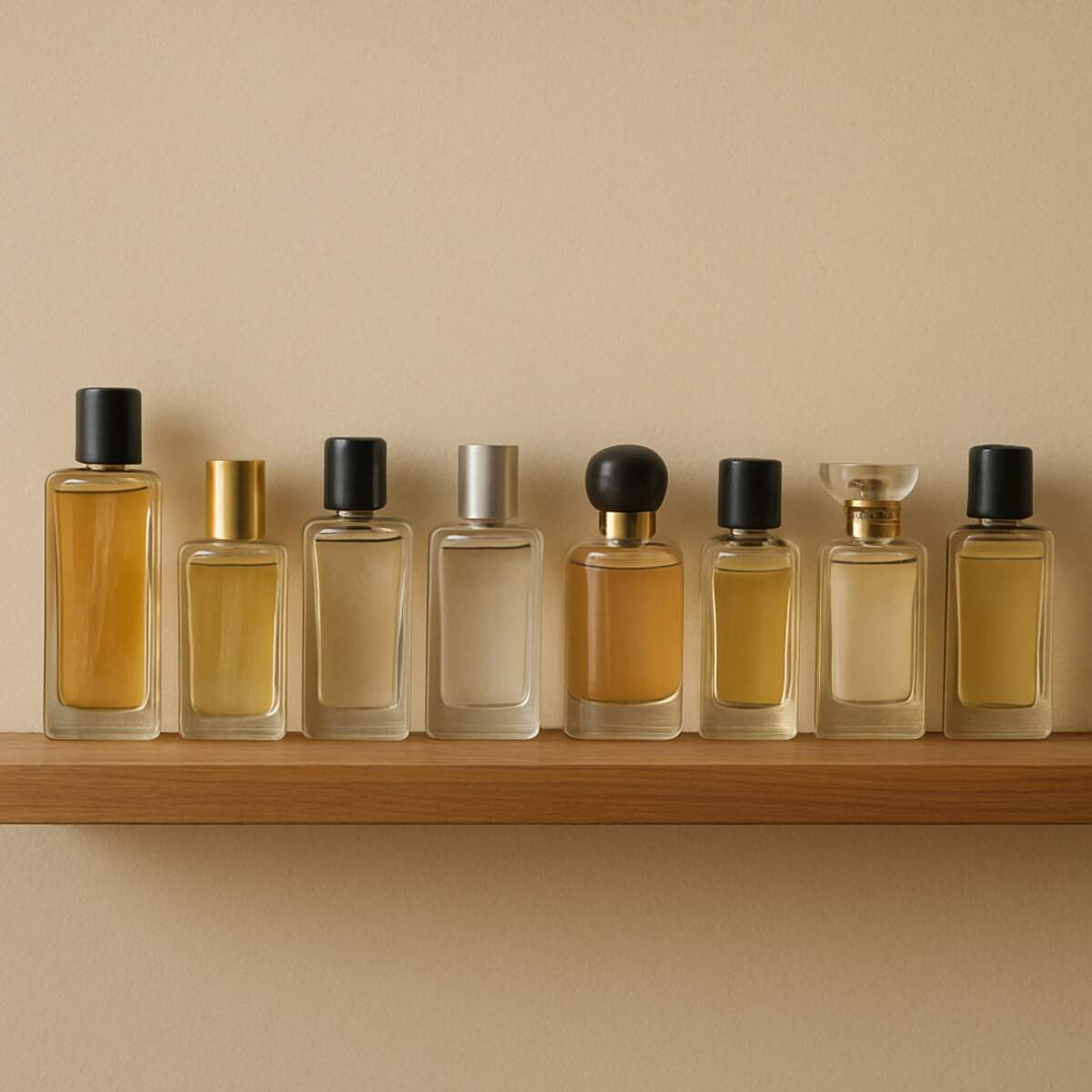

In the vast world of perfumery, fragrance duplication stands as a fascinating yet complex art form. It involves the meticulous recreation of scents, capturing the essence of high-end fragrances while making them accessible to a broader audience. In this article, we delve into the intricacies of fragrance duplication, elucidating the methods, challenges, and ethical considerations inherent in this craft. What do you need to consider about Fragrance Duplication.
Fragrance duplication, also known as perfume dupes or fragrance clones, is a process where perfumers create scents that closely resemble popular, often expensive, fragrances. The goal is to offer consumers a similar olfactory experience at a fraction of the cost. This practice not only democratizes access to luxury fragrances but also challenges perfumers to demonstrate their skill and artistry.
Historical Context of Duplication
Fragrance duplication is not a modern invention. The roots of this practice can be traced back to ancient civilizations, where the creation and imitation of scents were common. In ancient Egypt, perfumers experimented with local botanicals to recreate Mediterranean fragrances. This historical context underscores the enduring human desire to capture and recreate beloved scents.
Throughout history, the techniques and materials used in fragrance duplication have evolved. The development of synthetic aromatic compounds in the 19th century marked a significant milestone, enabling perfumers to replicate fragrances more precisely and affordably. This evolution highlights the interplay between tradition and innovation in the art of fragrance duplication.
The Modern Market for Fragrance Dupes
Today, the market for fragrance dupes is thriving, driven by consumer demand for affordable luxury. Many consumers are drawn to dupes as a way to enjoy the experience of high-end scents without the associated price tag. This demand has spurred the growth of numerous brands specializing in fragrance duplication, each vying to offer the most authentic and appealing alternatives.
The popularity of dupes is fueled not only by affordability but also by growing awareness of sustainability. Many consumers appreciate that duplications often use fewer natural resources, aligning with broader environmental concerns. This dual appeal of affordability and sustainability continues to shape the fragrance industry landscape.
The Role of Technology in Duplication
Technology plays a pivotal role in modern fragrance duplication. Advanced analytical techniques, such as gas chromatography-mass spectrometry (GC-MS), allow perfumers to dissect and understand the complex compositions of original scents. This technological insight is crucial for accurately replicating fragrances, offering perfumers a scientific foundation upon which to build their artistic interpretations.
In addition to GC-MS, computer-aided design tools and databases of aromatic compounds further enhance the precision of fragrance duplication. These technologies streamline the process, enabling perfumers to experiment with different combinations and achieve desired scent profiles more efficiently. The integration of technology and artistry defines the cutting-edge nature of contemporary fragrance duplication.
The Process of Duplication
Creating a fragrance dupe is not a straightforward task. It requires a deep understanding of both chemistry and artistry. The process begins with analyzing the original fragrance to identify its key components. This analysis typically involves gas chromatography-mass spectrometry (GC-MS), a sophisticated technique that separates and identifies the individual compounds within a fragrance.
Analyzing the Original Fragrance
The initial step in the duplication process is a comprehensive analysis of the original fragrance. This involves deconstructing the scent into its constituent components using GC-MS. By identifying each compound, perfumers gain insight into the fragrance’s unique profile, which serves as the blueprint for duplication.
This analytical phase is both scientific and creative. Perfumers must interpret the data to understand the interplay of various notes and how they contribute to the overall olfactory experience. This understanding is crucial for recreating the fragrance’s essence while allowing room for creative interpretation.
Selecting Aromatic Compounds
After analyzing the original fragrance, the next step is selecting the appropriate aromatic compounds for duplication. This selection involves choosing a combination of natural and synthetic materials that mimic the original scent. The art lies in balancing these compounds to achieve a harmonious and appealing fragrance profile.
Perfumers often face the challenge of substituting rare or expensive ingredients with more accessible alternatives. This requires a deep knowledge of aromatic materials and their properties. The goal is to maintain the scent’s integrity while making it affordable and sustainable.
Crafting the Fragrance Profile
With the selected compounds in hand, perfumers embark on the creative process of crafting the fragrance profile. This involves blending the chosen materials in precise proportions to replicate the original scent. The challenge is to capture the fragrance’s character and depth, ensuring the dupe resonates with consumers.
This phase demands both patience and expertise. Perfumers must test and refine their formulations, adjusting the balance of notes until the desired scent is achieved. The result is a fragrance dupe that offers an olfactory experience similar to the original, showcasing the perfumer’s skill and creativity.
The Challenges of Fragrance Duplication

While fragrance duplication offers exciting possibilities, it presents several challenges. One of the primary difficulties is the limitation of materials. Many luxury fragrances use rare or costly ingredients that are not feasible to include in a dupe. Perfumers must find suitable alternatives that replicate the scent without compromising quality.
Material Limitations
One of the most significant challenges in fragrance duplication is the limited availability of materials. High-end fragrances often feature rare and exotic ingredients that are either too expensive or unsustainable for mass production. Perfumers must navigate these constraints, seeking alternatives that capture the essence of the original scent.
The search for substitute materials involves extensive research and experimentation. Perfumers rely on their knowledge of aromatic compounds to find alternatives that maintain the fragrance’s integrity. This process requires creativity and innovation, as perfumers strive to balance cost, availability, and quality.
Achieving Scent Stability
Scent stability is another challenge in fragrance duplication. A dupe must not only replicate the original scent but also ensure it remains consistent over time. This involves selecting compounds that are stable and resistant to degradation, ensuring the fragrance retains its quality and appeal.
Perfumers must consider factors such as volatility, reactivity, and compatibility when formulating a dupe. They must test the fragrance under various conditions to assess its performance and longevity. Achieving this stability is essential for delivering a reliable and satisfying product to consumers.
Navigating Ethical Dilemmas
Ethical considerations are a constant challenge in fragrance duplication. While creating dupes is legal, it raises questions about intellectual property and originality. Perfumers must navigate these ethical waters carefully, ensuring their creations respect the artistry of the original fragrances while offering something new.
This involves a delicate balance between inspiration and imitation. Perfumers must honor the creative rights of original fragrance creators while providing consumers with alternatives. Transparency and integrity are crucial in maintaining ethical standards and consumer trust.
The Benefits and Drawbacks
Fragrance duplication offers numerous benefits, but it is not without its drawbacks. Understanding both sides is crucial for fully appreciating this art form.
Benefits
- Accessibility: Fragrance dupes provide an affordable alternative to luxury perfumes, making exquisite scents accessible to a wider audience.
Fragrance duplication democratizes access to the world of luxury perfumery. By offering high-quality alternatives at a fraction of the cost, dupes make it possible for more people to enjoy the experience of premium scents. This accessibility is particularly appealing to consumers who appreciate fine fragrances but are deterred by their high price points.
The availability of dupes allows consumers to explore a wider range of scents without significant financial investment. This encourages experimentation and personal expression through fragrance, fostering a more inclusive and diverse perfume culture.
- Innovation: The duplication process often leads to the discovery of new scent combinations and techniques, driving innovation in the fragrance industry.
Fragrance duplication is a catalyst for creativity and innovation within the perfume industry. As perfumers work to replicate existing scents, they often discover unique combinations and techniques that push the boundaries of traditional perfumery. These innovations can lead to the creation of entirely new fragrances that capture consumers’ imaginations.
The experimentation inherent in the duplication process encourages perfumers to think outside the box, resulting in novel and exciting scent profiles. This spirit of innovation contributes to the dynamic and ever-evolving nature of the fragrance industry.
- Sustainability: By using synthetic alternatives to rare natural ingredients, fragrance duplication can contribute to more sustainable practices in perfumery.
The use of synthetic materials in fragrance duplication has significant environmental benefits. By reducing reliance on rare and endangered natural resources, perfumers can create scents that are both luxurious and sustainable. This aligns with growing consumer awareness and demand for environmentally responsible products.
Sustainability in fragrance duplication extends beyond materials to include production methods and packaging. Many brands prioritize eco-friendly practices, further enhancing the appeal of dupes to environmentally conscious consumers.
Drawbacks
- Quality Variation: Not all fragrance dupes achieve the same level of quality or longevity as the originals, leading to inconsistent consumer experiences.
One of the primary drawbacks of fragrance duplication is the potential for quality variation. While some dupes closely replicate the original scents, others may fall short in terms of longevity, complexity, or overall appeal. This inconsistency can result in varied consumer experiences, affecting satisfaction and brand reputation.
Consumers may find that certain dupes do not meet their expectations, leading to disappointment and hesitancy to explore further options. This highlights the importance of transparency and quality assurance in the production of fragrance dupes.
- Ethical Concerns: The fine line between inspiration and imitation can lead to ethical dilemmas, particularly regarding intellectual property rights.
Ethical concerns are an inherent challenge in the world of fragrance duplication. The practice raises questions about intellectual property, originality, and respect for the creative efforts of original perfumers. Perfumers must navigate these issues with care to maintain ethical integrity.
Brands specializing in dupes must be transparent about their products, clearly communicating that they are inspired by existing fragrances. This honesty is essential for building consumer trust and fostering a positive perception of the brand.
Ethical Considerations
The ethics of fragrance duplication are a topic of much debate. While the practice is legal, it often treads a fine line between inspiration and imitation. It is essential for perfumers engaged in duplication to respect the creative rights of original fragrance creators while providing consumers with alternatives.
Navigating Intellectual Property
Intellectual property laws generally protect the brand and packaging of a fragrance but not the scent itself. This loophole allows for duplication but also raises questions about fairness and originality. Perfumers must navigate these waters with integrity, ensuring their creations honor the artistry of the originals.
Intellectual property in the fragrance industry is a complex issue. While trademarks and packaging can be protected, the scents themselves are not covered by traditional intellectual property laws. This creates a gray area where duplication is technically legal but ethically ambiguous. Perfumers must strike a balance between leveraging existing scents and creating something uniquely their own.
Respecting the creative rights of original perfumers is paramount. Brands must ensure their dupes do not infringe on established trademarks and that they offer a distinct product. By maintaining transparency and adhering to ethical standards, perfumers can navigate the intellectual property landscape responsibly.
Ensuring Transparency
Transparency is key to maintaining consumer trust in the world of fragrance duplication. Perfumers should clearly communicate the nature of their products, ensuring consumers understand they are purchasing a dupe rather than an original. This honesty fosters trust and respect between brands and consumers.
Transparency in fragrance duplication is crucial for building and maintaining consumer trust. Brands must be upfront about the nature of their products, clearly stating that they are inspired by existing fragrances. This transparency not only respects the original creators but also empowers consumers to make informed purchasing decisions.
Effective communication involves detailed labelling and marketing that accurately represent the product. Brands can further build trust by providing information about the materials used and the sustainability practices they follow. This openness strengthens the relationship between brands and consumers, fostering loyalty and respect.
Balancing Creativity and Respect
Perfumers engaged in duplication must balance their creative ambitions with respect for original fragrances. While the goal is to offer consumers appealing alternatives, it is essential to acknowledge the artistry and creativity of the original creators. This balance ensures that duplication contributes positively to the fragrance industry.
The art of fragrance duplication requires a delicate balance between creativity and respect for original works. Perfumers must navigate this balance by honoring the inspiration provided by existing fragrances while infusing their creations with unique elements. This approach not only respects the original creators but also enriches the industry’s diversity and innovation.
Brands can foster this balance by collaborating with original perfumers or by clearly differentiating their products through innovative packaging and marketing strategies. By doing so, they contribute to a respectful and dynamic fragrance landscape that celebrates both tradition and innovation.
Practical Tips for Exploring Fragrance Duplication
If you’re intrigued by the art of fragrance duplication, here are some practical steps to explore this fascinating field:
Educate Yourself
Gain a solid understanding of fragrance components and how they interact. Books, online courses, and workshops can provide valuable insights.
Education is the foundation for exploring fragrance duplication. Aspiring perfumers should immerse themselves in the study of fragrance chemistry, composition, and history. Books and online resources offer a wealth of information, providing a comprehensive understanding of the art and science behind perfumery.
Workshops and courses offer hands-on experience, allowing learners to experiment with different materials and techniques. These educational opportunities help aspiring perfumers develop the skills and knowledge needed to create captivating, authentic fragrance dupes.
Experiment with Blending
Start with basic essential oils and synthetic aromatic compounds to practice blending and creating unique scent profiles.
Experimentation is key to mastering the art of fragrance duplication. Aspiring perfumers should begin by working with essential oils and synthetic compounds, exploring how different materials blend and interact. This experimentation fosters creativity and helps develop an intuitive understanding of scent composition.
By creating their own unique blends, perfumers can hone their skills and discover new scent combinations. This practice encourages innovation and empowers perfumers to develop their signature style, contributing to the dynamic and diverse world of fragrance duplication.
Study Popular Fragrances
Analyze popular fragrances to understand their composition. This will help you identify key notes and how they contribute to the overall scent.
Studying popular fragrances provides valuable insights into the art of scent composition. Aspiring perfumers should analyze well-known scents to understand their structure, identifying key notes and how they interact to create a harmonious olfactory experience. This analysis informs the process of crafting authentic and appealing dupes.
By deconstructing popular fragrances, perfumers gain a deeper appreciation for the artistry involved in creating iconic scents. This understanding serves as a foundation for developing their own unique creations, blending inspiration with originality.
Use Technology
Leverage tools like GC-MS for a deeper understanding of fragrance compositions. Many educational institutions provide access to these technologies for learning.
Technology is an invaluable resource for aspiring perfumers exploring fragrance duplication. Tools like gas chromatography-mass spectrometry (GC-MS) provide detailed insights into fragrance composition, enabling perfumers to deconstruct and understand complex scent profiles. Access to such technology enhances the precision and creativity involved in duplication.
Educational institutions and workshops often offer access to these technologies, providing hands-on experience and training. By leveraging technology, aspiring perfumers can elevate their craft and create authentic, innovative fragrance dupes.
Respect the Craft
Always approach fragrance duplication with respect for the original creators. Use duplication as a learning tool and a way to innovate, rather than merely to replicate.
Respect for the craft and the original creators is essential in the world of fragrance duplication. Aspiring perfumers must approach their work with integrity, using duplication as an opportunity to learn and innovate. This respectful approach ensures that the practice contributes positively to the fragrance industry.
By valuing originality and creativity, perfumers can create authentic and captivating dupes that honor the artistry of the originals. This respect for the craft fosters a dynamic and inclusive fragrance culture that celebrates both tradition and innovation.
Conclusion
Fragrance duplication is a captivating blend of science and art, offering both challenges and opportunities for those willing to explore its depths. By understanding the processes, benefits, and ethical considerations, aspiring perfumers can engage with this art form responsibly and creatively. As you venture into the world of fragrance duplication, remember that each scent tells a story—whether original or dupe, it is the narrative that captivates and enchants.
