


It often starts with a shocking headline shared in a family group chat. You click the link, and instead of a familiar news site, you find yourself on a simple, crowded page filled with blue links: Nairaland. Is this story real? Is this a news site, a gossip blog, or something else entirely? For millions of Nigerians, it’s a daily destination, but for many others, it’s one of the most confusing corners of the internet. Uncover the best info about nairaland.
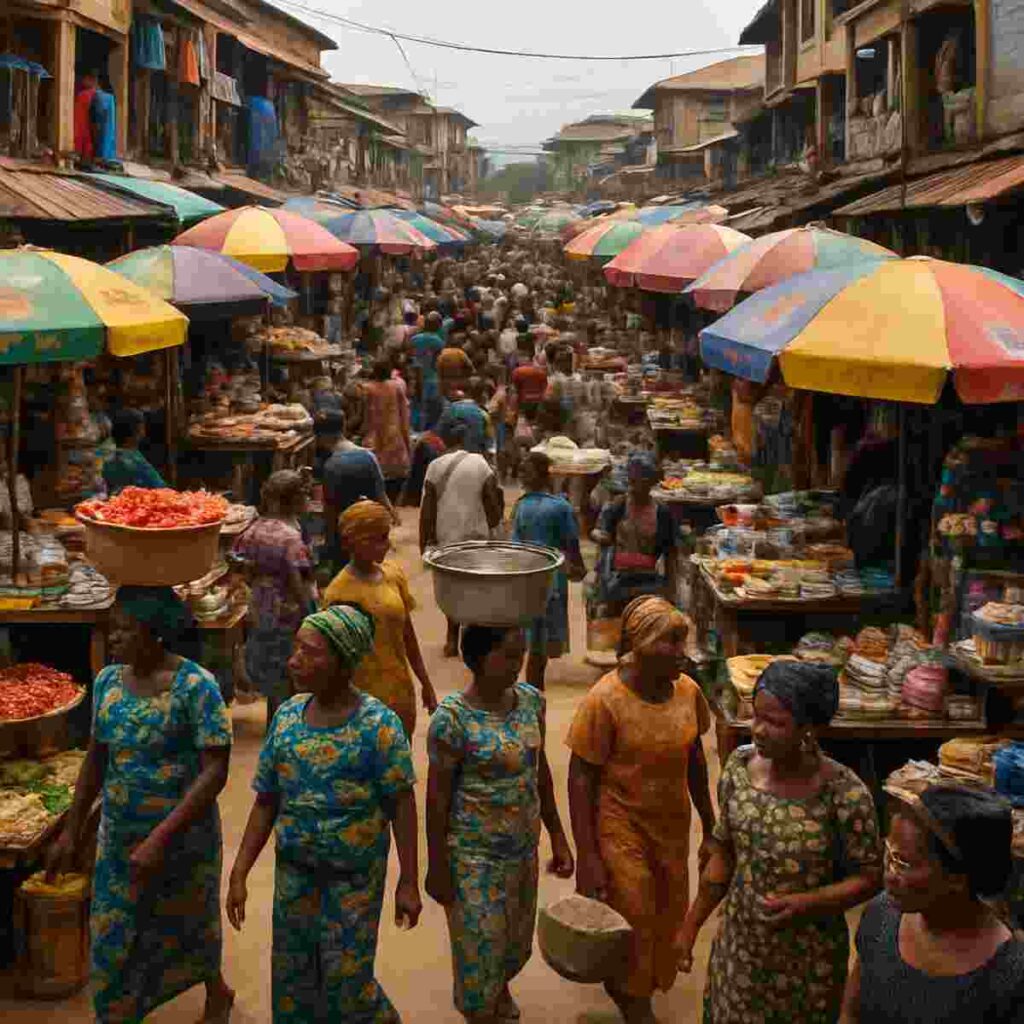
Here’s the secret: Nairaland isn’t a news organization at all. The best way to understand Nairaland is to picture a massive digital market square, bustling with millions of voices. Everything you read—from breaking events to personal advice—is posted by regular users, not professional reporters. It’s a community forum where anyone can set up a stall and share their story.
This community-driven model is precisely why the platform is so powerful. While its design may look old-school, its simplicity makes it incredibly fast and accessible, even on slow data connections. With one of the largest online audiences in Africa, whatever is trending on Nairaland often reflects the real-time pulse of Nigerian society, making it an undeniable force in public conversation. This guide will show you how a story makes it to the famous Front Page, how to separate credible information from noise, and how to read one of Nigeria’s most influential online forums like an expert.
What is Nairaland, Really? The “Digital Market Square” Explained
At its heart, the biggest difference between Nairaland and a site like The Guardian or Legit.ng is who creates the content. Instead of professional journalists, everything you see on Nairaland is posted by regular users. This simple fact changes everything, shifting it from a news publication to a massive public conversation. It’s not a place where stories are reported to you, but a place where people share what’s happening around them, in their own words.
This model is what’s known as an online forum, and it runs on User-Generated Content (UGC). Think of it like a giant digital noticeboard where anyone in Nigeria can pin up a message—a piece of news, a personal story, a question, or an opinion. Because the content is user-generated, it’s unfiltered and incredibly fast, often capturing events on the ground long before traditional media can.
Picturing the Nairaland forum as a sprawling, bustling digital market square is the best way to grasp its nature. It’s noisy, crowded, and full of thousands of voices talking at once. You’ll find serious political debates in one corner, job seekers in another, and people sharing relationship advice somewhere else. This organized chaos is key to its power, but to find what you’re looking for, you first need to understand how the “market” is laid out.
How Nairaland is Organized: Finding Your Way Around the “Rooms” and “Conversations”
That bustling market square isn’t just one big, open field of noise. To prevent total chaos, Nairaland is neatly organized into large topic areas called Sections. Think of these as different rooms in a massive library or dedicated stalls in a market. You’ll find a Section for nearly every interest, from broad categories like “Politics,” “Jobs/Vacancies,” and “Romance” to niche communities for car lovers, programmers, or travel enthusiasts. These Sections are the first layer of organization, allowing you to go directly to the area that interests you most.
Within each Section, users start specific conversations known as Threads. A thread is simply a topic opened for discussion. For example, inside the “Jobs/Vacancies” Section, one person might start a thread titled, “Fresh Graduate Opportunities in Lagos,” while another creates a thread called, “Tips for Nailing a Remote Job Interview.” The thread title tells you exactly what that particular conversation is about, acting like a signpost directing you to relevant discussions.
Once you click on a thread, you’ll see a series of Posts. The first post is the one that started the conversation, and all the replies that follow are also individual posts from different users. This is where the actual back-and-forth happens—the arguments, the advice, the jokes, and the shared experiences. You read a thread from top to bottom to follow the flow of the conversation, much like reading through comments on a social media update.
So, the structure is simple: Sections contain the Threads, and Threads contain the Posts. This hierarchy is what turns a potentially overwhelming site into a navigable database of Nigerian public opinion. With this map in hand, you can explore any topic you can imagine. But, of course, some of these “rooms” are far more crowded and influential than others.
The Most Popular “Rooms” on Nairaland: Where Nigeria Gathers to Talk
While you can find a discussion on almost anything, a few key sections act as the main arteries of the entire platform, drawing millions of views. If Nairaland is a market, these are the busiest stalls where the largest crowds gather. The most popular sections on the forum consistently include:
- Politics: The arena for fiery debates on everything from government policy and elections to local news.
- Romance: A famous (and sometimes infamous) space where users anonymously share personal relationship stories and ask for unfiltered advice.
- Jobs/Vacancies: A vital resource where people post job openings, share interview tips, and discuss the struggles and successes of their careers.
The gravity of these topics isn’t surprising; they mirror the core concerns of everyday life in Nigeria. The Nairaland politics section acts as a digital town hall, while the Nairaland romance section serves as a massive, anonymous advice column. The Jobs board, in particular, functions as a practical lifeline for many. In these spaces, you see the raw hopes, fears, and frustrations of a huge segment of the population, shared openly and instantly.
But while these specific sections are incredibly active, the most visible part of Nairaland isn’t a section at all—it’s the homepage, known as the Front Page. So, how does a conversation from one of these rooms get promoted to that prime real estate for everyone to see?
The Front Page Mystery: How Does a Topic “Trend” on Nairaland?
Unlike your Facebook or TikTok feed, which is controlled by a complex algorithm, the Front Page of Nairaland is surprisingly human-driven. A topic doesn’t land there just because it gets a lot of clicks or comments automatically. Instead, getting a story to the homepage is a manual process, turning the mystery of “trending” into a question of human judgment. This is a key part of understanding the Nairaland Front Page and its influence.
The secret lies with a team of volunteer Nairaland moderators. These are experienced users who act as the editors of this massive digital community. They constantly scan through the different sections—from Politics to Romance—looking for threads that are particularly interesting, important, or likely to spark a major conversation. Think of them less as police officers and more as community guides, pointing everyone toward the most compelling discussions of the day.
So, what catches a moderator’s eye? It could be anything from a user’s first-hand account of a breaking news event, a deeply personal story that resonates with many, or a political debate that captures the national mood. They are looking for content that adds value or captures a moment. A post becomes a “trending topic on Nairaland” not because a machine deemed it so, but because a person decided it was worth the entire community’s attention.
This human touch is what gives the Front Page its unique character. It’s a curated snapshot of what a group of dedicated Nigerians believes is most relevant at any given moment. This entire system of user posts and moderator curation operates under a framework set by the site’s founder. But just who is the mind behind this bustling digital “market square”?
Who is Seun Osewa? The Mind Behind the “Market Square”
The architect of this digital ecosystem is Seun Osewa, a Nigerian programmer who launched Nairaland way back in 2005. At a time when Facebook was just getting started and Twitter didn’t exist, Osewa created a simple online forum to host a broad range of conversations for Nigerians. The Nairaland owner has since become almost as well-known as the site he built, largely due to his distinct, hands-off approach to managing this massive community.
From the very beginning, Osewa’s philosophy has prioritized free expression and functional simplicity. This vision is the reason the site has kept its straightforward, text-heavy design for over fifteen years. Rather than chase modern trends with complex features, his focus has always been on ensuring the platform is fast, accessible on even the slowest internet connections, and a place where discussions can happen with little top-down interference. This explains the history of the Nairaland community’s raw and unfiltered nature.
This guiding principle defines the role of Seun Osewa today; he acts more as a caretaker of the space than a daily editor. By establishing the basic rules and empowering the community and its moderators to lead, he has created a powerful, self-regulating engine for public discourse. This freedom, however, means the information you find there is fundamentally different from that of a traditional newsroom.
Nairaland vs. Traditional News: Why You Can’t Read Them the Same Way
That freedom creates a crucial difference between the Nairaland forum and a traditional Nigerian news outlet like The Guardian or Channels TV. Think of it this way: a news organization has reporters, editors, and fact-checkers who investigate a story before it gets published. On Nairaland, which is built on user-generated content, anyone can post their version of events first, and the community discusses it in real time, often without any prior verification.
This “post-first” model gives Nairaland one of its greatest strengths: incredible speed. An eyewitness to an event can share a photo or account instantly, long before a professional journalist can even get to the scene. It offers an unfiltered glimpse into what people are experiencing right now, making it an unmatched barometer of public sentiment across Nigeria. This is the power of user-generated content in Nigeria in its rawest form.
On the other hand, traditional news outlets provide something Nairaland cannot guarantee: accountability. Professional journalists and their employers have a reputation to protect and are expected to follow a code of ethics. When they make a mistake, they issue corrections. An anonymous user on a forum faces no such consequences, making it easier for rumors and misinformation to spread without a clear source to hold responsible.
The comparison of the Nairaland forum vs. traditional Nigerian news isn’t about which is better, but about understanding their different purposes. Nairaland is the sprawling public conversation; a news site is the verified report. Knowing this difference is the key to navigating the platform safely.
So, Is Nairaland a Reliable Source for News?
Asking if Nairaland is a reliable source for news is like asking if market gossip is reliable. Sometimes you hear a story straight from an eyewitness, faster than any news crew could report it. More often, you might hear a wild rumor that’s only half-true. The information on the forum is raw and immediate, but it lacks the stamp of verification that comes with professional journalism.
Instead of a news agency, it’s more helpful to think of Nairaland as a social pulse. It tells you what Nigerians are passionate, angry, or excited about at any given moment. A story gaining traction on the Front Page is a signal that something important is happening, even if the details are still fuzzy. It’s an excellent starting point for your own curiosity—a clue that tells you, “Hey, you should look into this more.”
Because of this mix of truth and fiction, the most important skill for any Nairaland reader is learning how to verify information. Before you believe a shocking story—and especially before you share it on WhatsApp—take a moment to check. Does the same story appear on trusted news websites? Are established journalists reporting it? Treating the forum as a source of leads, not a source of facts, is the safest way to browse.
4 Simple Steps to Spot Fake News on Nairaland
Navigating the flood of information on Nairaland can feel overwhelming, but you don’t need to be a detective to protect yourself from misinformation. By developing a quick mental checklist, you can learn how to spot potential fake news and decide what’s worth a second look. The next time you see a suspicious headline, run it through this simple four-step process.
- Check the Source: Who posted the story? Is it a brand-new account with no posting history? Or is it an established member? While anonymity is common, posts from throwaway accounts are often less reliable.
- Read the Comments First: This is the most powerful tool on any forum. Before you even finish the original post, scroll down. You’ll often find other users immediately debunking the story, providing counter-evidence, or asking for proof that the original poster can’t provide.
- Look for Outside Proof: Can you find the same story on reputable news sites like The Guardian, Premium Times, or Channels TV? If a major event is truly happening, professional journalists will be reporting it. No outside confirmation is a huge red flag.
- Watch for Emotional Language: Does the headline use ALL CAPS, excessive exclamation marks, or emotionally charged words like “SHOCKING,” “UNBELIEVABLE,” or “MUST SEE”? This is a classic tactic designed to make you panic and share without thinking.
The comments section often acts as a collective, real-time fact-checker. This immediate feedback from the community is one of the unique features of a forum, giving you instant clues about a story’s credibility. Using this framework for verifying information moves you from being a passive reader to an active, critical one.
How to “Read” the Nairaland Politics Section Without Losing Your Mind
The Nairaland Politics section is famously one of the most intense places on the Nigerian internet. It can feel like a shouting match where everyone is angry. But beneath that noise, it’s also a raw, unfiltered window into what everyday Nigerians are actually thinking and arguing about. Navigating this part of the forum is less about finding a single, correct answer and more about understanding the different sides of a national conversation, however messy it gets.
To make sense of it all, you have to learn who to ignore. For every user posting a thoughtful analysis or sharing a link to a relevant document, you’ll find ten others whose only goal is to provoke a reaction. They use insults, post inflammatory one-liners, and seem determined to derail any real debate. These posts are the noise, not the signal. Your most valuable skill here is simply scrolling past them. Don’t engage, don’t argue—treat their comments as digital background chatter and focus on those trying to have a real discussion.
A productive trip to the Politics section involves a new way of reading: scanning for substance and skipping the shouting. Look for the longer, more reasoned comments, even if you disagree with them, as these often contain the real nuggets of insight. This pattern of passionate, community-driven conversation is the engine that has made Nairaland a powerful, if chaotic, force in shaping everything from consumer trends to social movements across Nigeria.
Beyond the News: Nairaland’s Impact on Nigerian Culture
That same conversational engine has made Nairaland a powerful force in shaping everything from consumer trends to social movements. It functions as a massive culture factory, where jokes and slang are born. Terms like “sapa,” which vividly describes a state of being broke, were tested and popularized in these forums long before they entered mainstream Nigerian music and social media feeds. This ability to mint new language is a clear sign of the platform’s deep cultural roots.
The forum’s influence is also deeply personal. For over a decade, its ‘Jobs/Vacancies’ section has been a critical starting point for graduates, while the ‘Business’ section has served as a free-for-all incubator for entrepreneurs sharing ideas and warnings. Anonymous users have shared life-altering advice on everything from relationships to health, proving the platform’s power to change individual lives, not just reflect a national mood.
Nairaland often acts as the nation’s digital public square. It’s where public outrage over a social injustice can gather momentum or where an everyday person’s story can go viral, capturing the raw, unfiltered pulse of public opinion before traditional media takes notice. This unique, high-energy environment has cemented its place in Nigeria’s information landscape, but its intense and sometimes overwhelming nature isn’t for everyone.
Need a Different Vibe? Alternatives to Nairaland for Nigerian Discussions
If the intense, high-energy style of Nairaland feels like too much, you’re not alone. The Nigerian internet offers many other places for discussion, each with its own unique feel and purpose. It’s less about which platform is “better” and more about finding the right digital space for the conversation you want to have.
For more organized, topic-specific chats, many Nigerians are active on Reddit in communities like the popular r/Nigeria board. Think of it as a collection of cleaner, more focused meeting rooms compared to Nairaland’s sprawling market square. For up-to-the-second breaking news and public reactions, on the other hand, nothing beats the fast pace of Twitter (now X), where events unfold live from countless perspectives.
These alternatives each serve a different need, from the professional networking of LinkedIn to the live-wire commentary on Twitter. But because Nairaland remains such a massive and influential force in setting the national conversation, understanding how to navigate it wisely is still an essential digital skill for any savvy Nigerian internet user.
Your New Nairaland Playbook: How to Be a Smart and Savvy Reader
Before today, clicking on a Nairaland link might have felt like stepping into a chaotic, confusing crowd. Now, you can see the structure behind the noise. You understand the difference between a user’s post and a verified report, and you know how a topic’s journey to the Front Page gives you a real-time snapshot of what Nigeria is talking about.
This knowledge transforms you from a passive visitor into a savvy reader. Here is a simple playbook for navigating this digital market square:
- 1. See It as a Market, Not a Newsroom. Expect to find raw, unfiltered conversations and eyewitness accounts, not polished journalism.
- 2. Use It as a Starting Point, Not a Final Word. When you see a compelling story, use it as a signal to seek confirmation from trusted news sources.
- 3. Read the Comments for the Full Story. The original post is just the beginning; the real context, debate, and diversity of opinion live in the replies.
By understanding how Nairaland works, you’re not just learning about a website; you’re becoming a smarter, more critical consumer of information in the digital age. You now have the framework to find the signal in the noise and engage with online content on your own terms.