


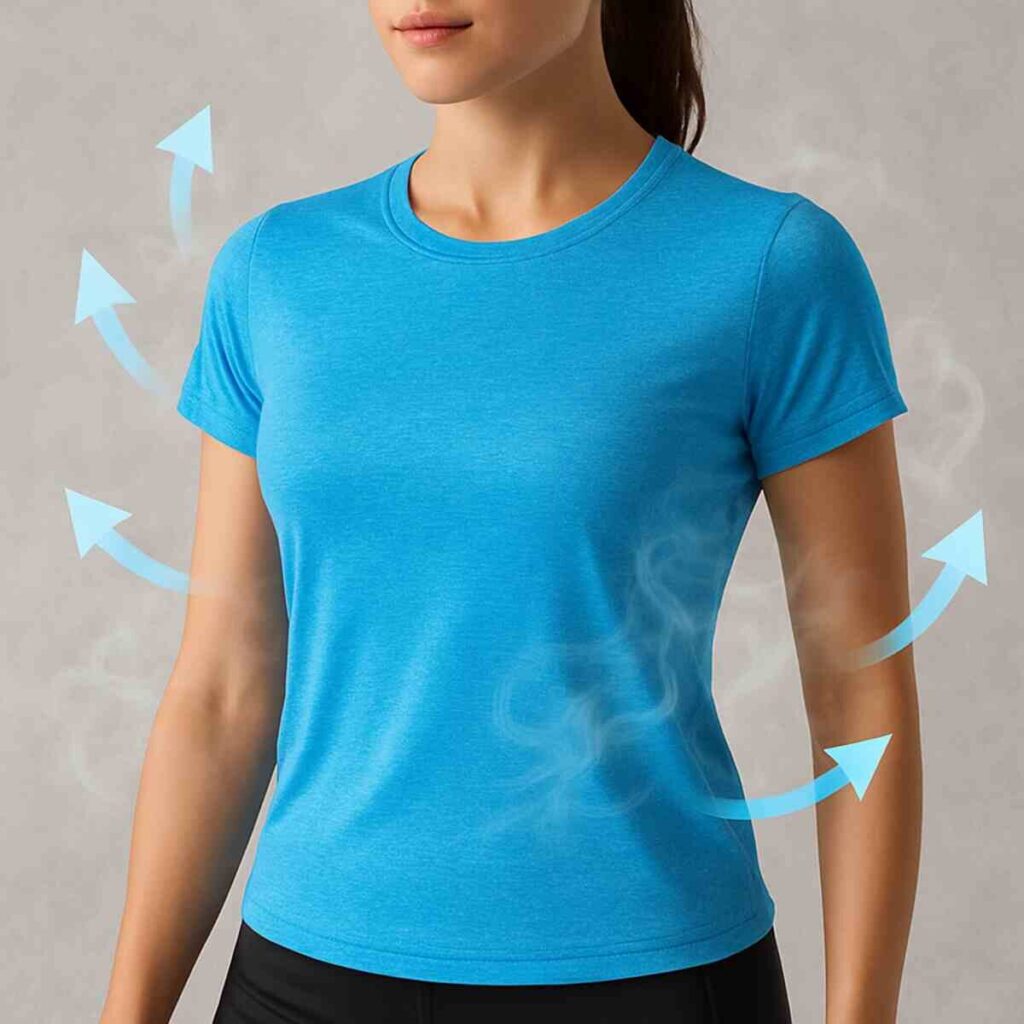
When it comes to sportswear, comfort and performance are key. One of the game-changers in this field is the introduction of cooling fabric. This revolutionary fabric technology offers a range of benefits that can enhance your workout experience, keeping you dry and comfortable. In this article, we will delve into the benefits of cooling fabric in sportswear and why it is an essential addition to your athletic wardrobe. What do you think about cooling fabric sportswear.
Cooling fabric refers to specially engineered materials designed to regulate body temperature during physical activity. These fabrics are typically moisture-wicking, sweat-resistant, and breathable, which helps keep the body cool even during intense workouts. By drawing sweat away from the skin and promoting evaporation, cooling fabrics help maintain a comfortable body temperature.
Composition and Material Science
Cooling fabrics are crafted from advanced synthetic fibers that offer superior performance compared to traditional materials. Polyester and nylon, often used in these fabrics, are known for their durability and lightweight properties. These fibers are engineered to create a fabric that is not only strong but also capable of effectively managing moisture.
The innovation doesn’t stop at the fibers themselves. Many cooling fabrics incorporate microfibers, which are finer than silk. These microfibers increase the surface area of the fabric, enhancing its ability to wick away sweat. Furthermore, the structure of these fabrics is often designed to trap air, providing an insulating effect that helps regulate temperature.
How Cooling Fabrics Work
At the heart of cooling fabric technology is the concept of thermoregulation. These fabrics are designed to mimic the body’s natural cooling processes. When the body heats up, the fabric’s moisture-wicking capabilities activate, drawing sweat away from the skin. This sweat then evaporates on the fabric’s surface, releasing heat and creating a cooling effect.
Moreover, many cooling fabrics are engineered to increase airflow. This is achieved through specialized weaves or mesh panels that facilitate ventilation. As a result, the fabric not only cools the body but also allows for a constant exchange of air, further enhancing comfort during physical exertion.
Technological Innovations
The development of cooling fabrics is a testament to the intersection of science and technology. Recent advancements have seen the incorporation of phase-change materials (PCMs) into these fabrics. PCMs absorb, store, and release heat, providing an additional layer of temperature control. When the body temperature rises, the PCMs absorb excess heat, and as the body cools, they release this stored heat, maintaining a consistent temperature.
Another exciting innovation is the integration of smart textiles with embedded sensors. These sensors can monitor body temperature and adjust the fabric’s properties in real-time, offering a personalized cooling experience. Such cutting-edge technologies highlight the potential of cooling fabrics to revolutionize sportswear.
Moisture-Wicking Properties
Moisture-wicking fabric is a staple in cooling sportswear. This technology is designed to draw moisture away from the body, moving it to the outer surface of the fabric where it can evaporate quickly. This process keeps your skin dry and prevents the uncomfortable feeling of being drenched in sweat.
The Science of Wicking
The term “moisture-wicking” is often thrown around in sportswear circles, but what does it truly mean? At its core, wicking refers to the movement of moisture through the fabric. This is achieved through capillary action, where moisture travels along the fibers, away from the skin. The fabric’s ability to wick effectively depends on its surface tension and fiber structure.
Manufacturers often enhance this natural process by treating fabrics with hydrophilic coatings. These coatings increase the fabric’s ability to attract moisture, ensuring rapid transfer from the skin to the fabric’s surface. Once the moisture reaches the outer layer, it evaporates, keeping the skin dry and comfortable.
Benefits Beyond Comfort
While the immediate benefit of moisture-wicking fabrics is comfort, there are several other advantages. Keeping the skin dry reduces the risk of bacterial growth, which can cause odor. For athletes, this means staying fresh even after an intense workout. Additionally, dry skin is less prone to chafing and blisters, common issues during prolonged physical activities.
Another significant advantage is the fabric’s impact on thermal comfort. By preventing the accumulation of sweat, moisture-wicking fabrics help maintain a stable body temperature. This stability is crucial for athletes who need to perform at their best without being distracted by fluctuations in body heat.
Choosing the Right Moisture-Wicking Fabric
With numerous options available, selecting the right moisture-wicking fabric can be daunting. Consider the type of activity and environmental conditions. For high-intensity workouts, opt for fabrics with enhanced wicking capabilities. In colder climates, layered moisture-wicking garments can provide both warmth and moisture management.
Also, pay attention to fabric blends. Many sportswear brands combine moisture-wicking materials with natural fibers like merino wool. These blends offer the best of both worlds, providing comfort and performance in a variety of settings. Always check for additional features, such as odor control and UV protection, to maximize the benefits of your sportswear.
Sweat-Resistant Advantages

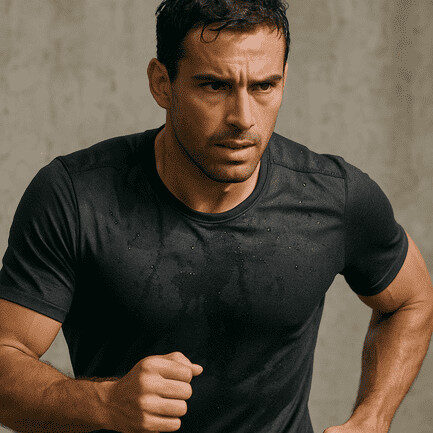
Another benefit of cooling fabric sportswear is its sweat-resistant properties. Sweat-resistant clothing is designed to prevent the fabric from becoming saturated with sweat. This not only keeps you comfortable but also helps reduce the risk of chafing and skin irritation, which can be common problems during prolonged physical activity.
Reducing Chafing and Irritation
Chafing and skin irritation are common complaints among athletes, especially during long sessions of physical activity. Sweat-resistant fabrics address these issues by minimizing the accumulation of moisture on the skin. By keeping the skin dry, these fabrics reduce friction, which is the primary cause of chafing.
The smooth texture of sweat-resistant fabrics also plays a role in preventing irritation. These fabrics are often treated to have a silky finish, allowing them to glide over the skin rather than rub against it. This is particularly beneficial for athletes who wear fitted clothing, as the reduced friction ensures comfort and prevents skin damage.
Enhancing Athletic Performance
Sweat-resistant clothing is more than just a comfort feature; it can significantly impact performance. When the body remains dry, athletes can maintain their focus on the task at hand rather than being distracted by discomfort. This is crucial in competitive scenarios where every second counts.
Moreover, sweat-resistant fabrics often incorporate compression technology. Compression garments improve blood circulation, reducing muscle fatigue and enhancing recovery. By combining sweat resistance with compression, athletes benefit from both immediate comfort and long-term performance gains.
Durability and Longevity
One of the standout features of sweat-resistant fabrics is their durability. These fabrics are designed to withstand repeated exposure to sweat and frequent washing without losing their properties. This durability ensures that athletes can rely on their gear for extended periods, making it a cost-effective investment.
Furthermore, sweat-resistant fabrics often include anti-odor treatments. These treatments prevent the buildup of bacteria, which can cause unpleasant smells. As a result, athletes can enjoy fresh-smelling gear even after rigorous use, enhancing the longevity and usability of their sportswear.
The Science Behind Cooling Fabrics
Cooling fabrics are not just about moisture management; they are also about temperature regulation. The technology behind these fabrics often involves a combination of materials and structures that promote airflow and improve heat dissipation.
Breathability and Airflow
Breathable fabrics are crucial for maintaining comfort during exercise. Cooling fabrics often incorporate mesh panels or perforated designs that enhance airflow, allowing heat to escape and fresh air to circulate. This breathability is essential for preventing overheating and ensuring that athletes remain comfortable even during the most strenuous activities.
Temperature Regulation
Some cooling fabrics are engineered with temperature-regulating properties. These fabrics can react to changes in body temperature, becoming more breathable as body heat increases. This adaptive feature helps maintain an optimal temperature balance, preventing the body from overheating and ensuring a comfortable workout experience.
UV Protection
Many cooling fabrics also offer UV protection, shielding the skin from harmful ultraviolet rays. This feature is particularly important for outdoor athletes who spend extended periods under the sun. By incorporating UV-blocking technology, cooling sportswear provides an additional layer of protection, reducing the risk of sunburn and skin damage.
Applications of Cooling Fabric Sportswear
Cooling fabric technology is widely used across various sports and fitness activities. From running and cycling to yoga and team sports, cooling sportswear offers benefits for athletes at all levels.
Running and Cycling
For runners and cyclists, cooling fabric sportswear can make a significant difference. The combination of moisture-wicking, breathability, and temperature regulation helps maintain comfort and performance during long-distance events. Whether you’re training for a marathon or enjoying a leisurely bike ride, cooling sportswear keeps you focused on your goals.
Gym and Fitness Classes
In gym settings and fitness classes, cooling fabric sportswear helps manage perspiration and temperature fluctuations. Whether you’re lifting weights, participating in a high-intensity interval training (HIIT) class, or practicing yoga, the benefits of cooling fabric ensure that you stay comfortable and dry throughout your workout.
Team Sports
For team sports like soccer, basketball, or tennis, cooling fabric sportswear provides a competitive edge. Players can remain focused and agile, without the distraction of sweat-soaked clothing. The enhanced comfort and mobility offered by cooling fabrics contribute to better performance on the field or court.
Conclusion: Embrace Cooling Fabric Sportswear
The benefits of cooling fabric in sportswear are clear. From moisture-wicking and sweat resistance to breathability and temperature regulation, cooling sportswear enhances comfort and performance in a variety of athletic activities.
As you consider upgrading your athletic wardrobe, look for sportswear that incorporates cooling fabric technology. Whether you’re a seasoned athlete or a fitness enthusiast, investing in cooling sportswear will help you stay comfortable, dry, and focused on achieving your fitness goals.