

Walk past any Mediterranean café on a Friday night, and you will likely catch a scent that smells less like burning tobacco and more like a bustling bakery. Thick, aromatic clouds of double apple, cool mint, or blueberry vanilla drift through the air, creating an atmosphere distinct from the harsh reality of cigarette smoke. This is the world of hookah tobacco, a centuries-old tradition that operates on principles fundamentally different from any other form of smoking. What do you consider about Hookah Tobacco.
While the terms are often used interchangeably in casual conversation, a clear distinction exists between the hardware and the “software.” The hookah is the water pipe itself—the stainless steel, brass, or glass vessel designed to filter smoke through water. Inside the clay bowl at the very top sits the shisha (often called Mu’assel in traditional contexts), the actual substance being heated. If you were to look closely at what goes into that bowl, you might be surprised to find that it does not look like tobacco at all.
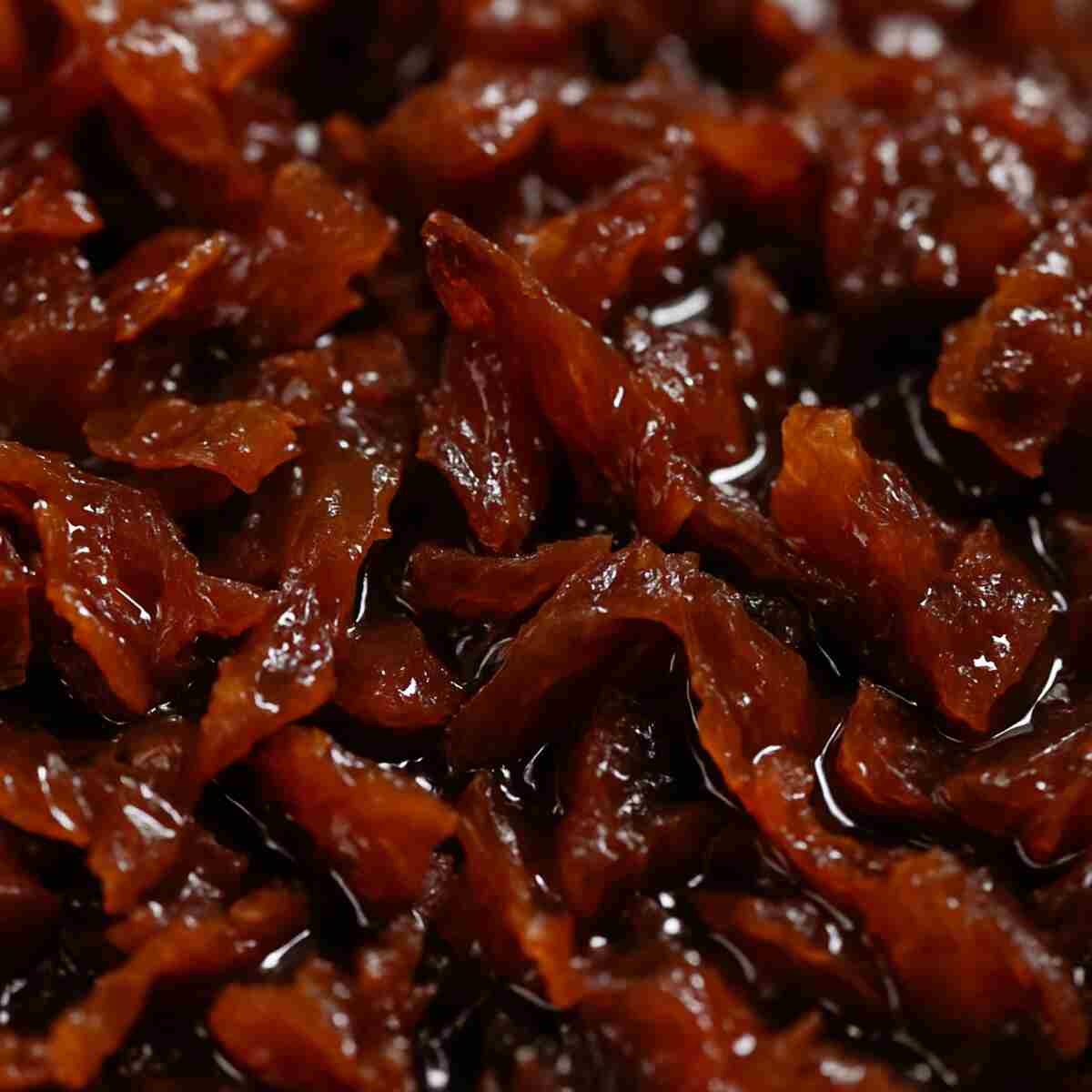
Unlike the dry, brittle leaves found in cigarettes or cigars, modern hookah tobacco resembles a wet, sticky preserve. Picture chopped fruit leaves that have been heavily marinated in syrup. This texture is intentional and vital to how the product functions; it is not designed to burn into ash immediately, but rather is engineered to withstand heat over a long session without igniting.
Analyzing the four primary ingredients found in almost every commercial blend reveals the true nature of the session. At its core, the tobacco leaf acts merely as a “sponge” or carrier. Manufacturers soak these leaves in a combination of molasses (or honey), vegetable glycerin, and specific flavorings. According to standard manufacturing processes, the tobacco leaf itself often makes up only about 20% of the total weight, with the liquid components accounting for the rest to preserve the flavor.
This heavy liquid content dictates the physics of the session. When charcoal is placed on top of the bowl—usually separated by aluminum foil or a metal device—it creates a radiant heat source. In practice, the charcoal acts like an oven element. It “bakes” the mixture rather than setting it on fire. The glycerin attracts heat to create the thick white vapor, while the molasses provides the body, allowing the tobacco to release its flavor without instantly combusting.
The distinction between baking and burning creates a set of physical characteristics that separates shisha from traditional tobacco products:
- Material State: Cigarette tobacco is dry and highly combustible; Hookah tobacco is wet, syrupy, and resistant to direct flame.
- Heat Source: Cigarettes rely on self-sustaining combustion (fire); Hookah relies on indirect, external heat (vaporization).
- Residue: A cigarette burns down to loose ash; Shisha leaves remain in the bowl after the session, dehydrated and cooked, but structurally intact.
These mechanics change how one approaches the menu at a lounge or a shop. It explains why the clouds are so dense and why the flavor can last for over an hour. As we explore the popular flavor profiles available today, remember that you are selecting a complex recipe of syrups and extracts, not just a simple dried leaf.
The Four Pillars of Flavor: Decoding Shisha Molasses Ingredients
If you were to touch the tobacco used in a hookah, your fingers would come away sticky and wet, creating a sensation much closer to fruit preserves than the dry leaves found in cigarettes. This distinct texture comes from the liquid base—traditionally dark sugar cane molasses or, in lighter modern blends, honey—which acts as a marinade for the tobacco leaves. While molasses provides a robust, earthy undertone often favored in classic styles, honey offers a neutral canvas that allows delicate fruit or floral notes to shine without interference, making it the preferred choice for many first-time smokers.
Beyond the sticky binder, the most critical modern addition is vegetable glycerin, a clear, odorless liquid responsible for the thick white plumes associated with hookah. When heat is applied, the glycerin vaporizes rather than burns, carrying the flavor and nicotine in a dense mist similar to steam rising from a kettle. High-quality shisha relies on a precise balance of this fluid; the right amount protects the leaf from scorching, ensuring the session produces smooth vapor instead of the harsh smoke created by combustion.
The final component in this mixture is food-grade flavoring, the same type used in candies and beverages, which transforms the tobacco into the taste of crisp apple, fresh mint, or even blueberry muffin. These extracts soak into the porous leaf, waiting to be released by the heat of the charcoal to create the aroma filling the room. While these liquids determine the taste and texture, the actual intensity or “heaviness” of the experience depends entirely on the solid foundation underneath: the specific variety of tobacco leaf.
Blonde Leaf vs. Dark Leaf: The ‘Tea Strength’ Guide for Beginners
Just as you might steep a tea bag twice to reduce its caffeine and bitterness, most modern hookah tobacco undergoes a significant “washing” process before it is ever flavored. Manufacturers take bright Virginia Gold tobacco leaves—known as “Blonde Leaf”—and boil or soak them to extract the majority of natural nicotine and tannins. This results in a golden-colored leaf that acts as a neutral sponge, absorbing the sugary molasses and fruit flavors without adding a heavy tobacco taste. For a beginner, this “washed” style is crucial because it ensures the session remains smooth and focuses on the aroma of the fruit rather than the stimulating kick of the plant.
Conversely, “Dark Leaf” blends utilize robust Burley tobacco that is typically left “unwashed,” retaining its full natural chemical structure. Imagine the difference between a light herbal tea and a double shot of espresso; dark leaf shisha preserves a heavy, earthy undertone and delivers a much higher nicotine content. The syrup used here is often thicker to compete with the strong leaf flavor, creating complex, savory profiles like cigar, coffee, or spice that might feel overwhelming to someone expecting a light, fruity vapor.
Quick Reference: Which Leaf Matches Your Palate?
| Feature | Blonde Leaf (Virginia) | Dark Leaf (Burley) | | :— | :— | :— | | Process | Washed (Boiled/Soaked) | Unwashed (Natural state) | | Nicotine | Low (0.05% – 0.3%) | High (0.5% – 0.8%+) | | Flavor | Focus on fruit/candy notes | Earthy tobacco undertones | | Best For | Casual/Social smokers | Experienced enthusiasts |
Choosing between these two categories comes down to your personal tolerance for nicotine and your desire for a “buzz.” Most casual smokers stick to washed blonde leaf for its gentle nature, while enthusiasts often graduate to dark leaf for the added depth. However, regardless of which leaf you select, the delicate sugars and glycerin coating them share one common enemy: excessive temperature.
Why Your Smoke Tastes Burnt: The ‘Oven Temperature’ Secret
If you’ve ever coughed immediately after a puff, you’ve likely experienced the most common error in hookah smoking: overheating. Think of the ceramic bowl not as a fire pit, but as a miniature convection oven. When the temperature is perfect, the liquid glycerin boils into steam without the tobacco leaf actually catching fire. If the heat spikes, however, the molasses sugars char instantly, turning what should be smooth vapor into acrid smoke. Success in this hobby relies less on lung capacity and more on managing the invisible line between baking a cake and burning it.
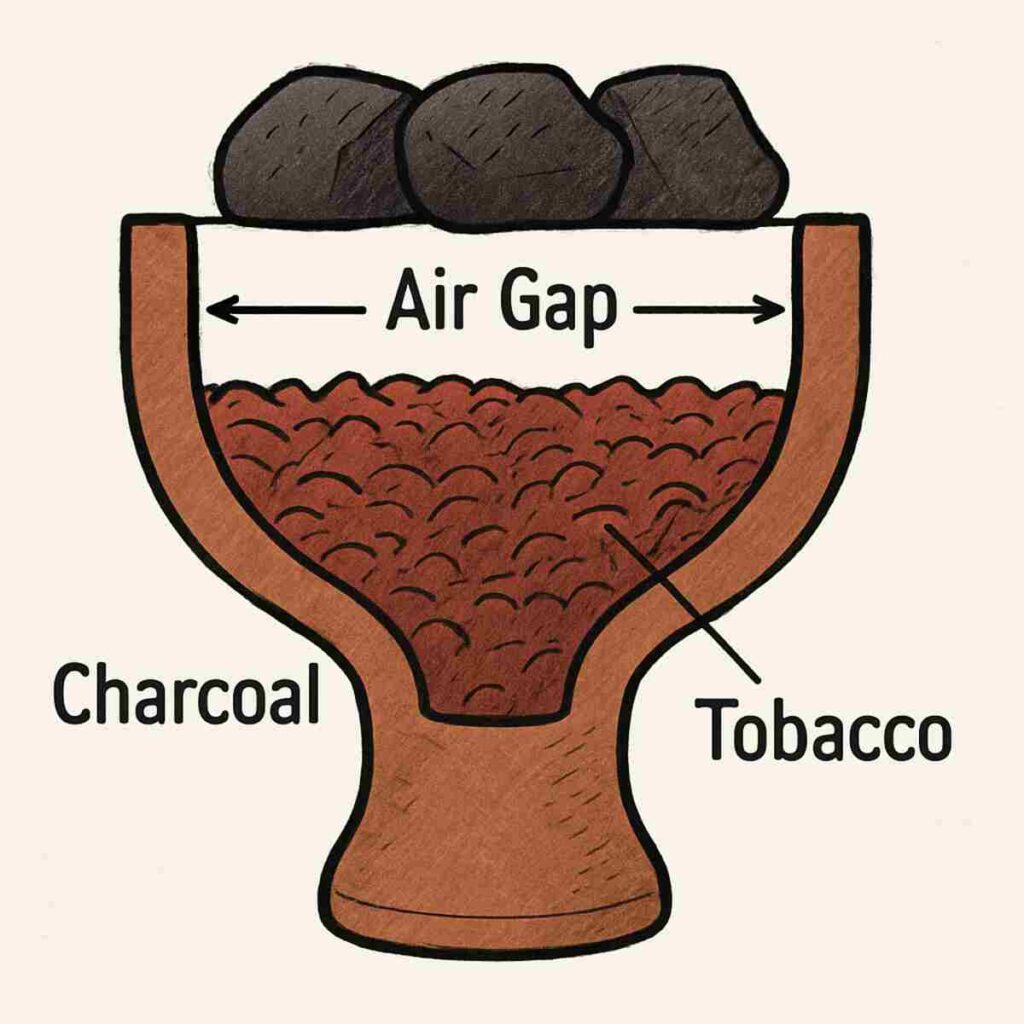
Creating a physical buffer zone is the best defense against this scorching. This “air gap”—a few millimeters of empty space between the sticky tobacco and the foil or screen—prevents direct contact burns. Instead of frying the top layer like a skillet, this gap allows superheated air to flow through the leaves only when you inhale. While proper heat management with coconut charcoal helps maintain consistency due to its stable burn rate, even premium fuel will ruin a session if it presses the tobacco directly against the hot metal.
This thermal balance solves the mystery of why does my smoke taste burnt. When the temperature is controlled, the flavor remains crisp for an hour; once the sugars burn, however, that carbon taste is permanent. While managing charcoal is essential, the actual container you use is equally vital for preserving those flavorful juices.
The Phunnel Bowl Advantage: Why Shape Matters for Flavor Retention
Gravity is the enemy of modern shisha molasses ingredients. In traditional Egyptian clay bowls, five or six holes sit directly at the bottom of the dish, allowing the flavor-rich glycerin and honey to drip down the pipe’s stem immediately. This drainage not only creates a cleaning nightmare but significantly shortens the lifespan of your session, as the liquid “fuel” required to create vapor is lost to gravity before it can be heated.
To solve this, the Phunnel bowl introduces a raised center air intake, known as a spire. Picture a ceramic Bundt cake pan: the tobacco sits in the trench around the middle, trapping the liquid marinade inside the bowl like a sauce reduction. By keeping the juices boiling against the hot clay rather than leaking out, hookah flavors remain potent for significantly longer, often extending a session by 30% compared to standard shapes that allow runoff.
This architecture also fundamentally changes how air moves through the device. While online debates regarding phunnel vs vortex bowl performance often focus on complex aerodynamics, the Phunnel’s primary advantage for the casual smoker is simply unblocked airflow. Since the tobacco does not sit directly on top of the air hole, the draw remains effortless and clog-free. However, even the best bowl design fails if the contents are compressed too tightly.
Fluff Pack vs. Dense Pack: Controlling Airflow for Maximum Taste
Think of the tobacco in your bowl like logs in a fireplace: if they are stacked too tightly, air cannot circulate, and the fire struggles to breathe. In a hookah bowl, heat from the charcoal must travel through the tobacco mass to cook the bottom layers evenly. If the contents are compressed into a solid block, the top layer scorches while the bottom remains raw, wasting molasses and ruining the taste. Mastering how to pack a hookah bowl is simply a matter of managing this airflow to ensure heat reaches every leaf.
For the vast majority of modern, sugar-rich “Blonde” tobaccos, the goal is maximum aeration to facilitate cloud production. This technique is known as the “Fluff Pack” and ensures that hot air wraps around individual leaves rather than forcing its way through a brick. To achieve this optimal texture:
- Separate the leaves: Use your fingers or a small fork to break apart the sticky clumps of tobacco on a paper towel before filling the bowl.
- Sprinkle, don’t stuff: Drop the tobacco into the bowl loosely, similar to how you would sprinkle grated cheese over pasta, letting gravity settle it naturally.
- Level the surface: Gently rearrange the top layer so it sits just below the bowl’s rim without applying downward pressure.
Mastering the fluff pack vs dense pack method prevents the “restricted straw” sensation that frustrates many new smokers. While advanced dark leaf varieties often require a tighter, denser pack to temper their high nicotine content, the general rule is to prioritize air channels. This balance of heat management and density was perfected decades ago, establishing the foundation for the most enduring flavor profile in history.
The Double Apple Legend: Why Traditional Flavors Still Dominate
Walking into a lounge and ordering the most iconic option on the menu often leads to a surprising sensory experience. While the name “Double Apple” suggests a crisp, fruity sweetness similar to apple juice, the reality is historically rooted in the spice trade. Traditional hookah flavors rely heavily on anise—the same ingredient found in black licorice, Ouzo, or fennel. This distinct, spicy profile was the industry standard for decades, popularized by heritage brands like Nakhla and Al Fakher, creating a “love it or hate it” reaction for those expecting a simple fruit taste.
Because anise oils are chemically potent, they behave differently than lighter fruit extracts inside your equipment. Experienced smokers refer to this phenomenon as “ghosting,” where the spice flavor seeps into the hose and silicone components, lingering long after the session ends. Much like how a plastic container holds the scent of a curry forever, a pipe used frequently for traditional vs modern shisha blends will permanently carry that liquorice note, often overpowering delicate flavors smoked later.
This intensity explains why many enthusiasts keep a separate pipe exclusively for Double Apple to preserve its purity. While this historic profile remains a global bestseller, the industry has evolved significantly beyond single-note spices. As palates shifted toward candy-like sweetness and complex desserts, manufacturers began engineering the best flavors for beginners that mimic the exact taste of real fruit, paving the way for a new era of creativity.
Modern Mixology: From Blueberry Muffin to Minty Watermelon
While traditional spices rely on acquired tastes, the current market focuses on hyper-realism. Modern hookah flavors are engineered to replicate familiar treats, from zesty lemonades to complex pastries like blueberry muffins. This shift is driven by the use of food-grade flavorings identical to those found in candy and sodas, making the experience far more approachable for new users who might find the historic licorice notes of Double Apple too intense.
Navigating these options usually leads to two dominant categories: “Icy Fruits” that use cooling agents like menthol to simulate a cold drink, and “Creamy Desserts” that utilize vanilla and caramel notes. Once you find a profile you enjoy, you can experiment with modern shisha blends by mixing different tobaccos directly in the bowl. A standard technique for successful mixing is the “70/30 rule”—use 70% of a dominant base flavor and 30% of a stronger accent, such as mint or floral rose, to ensure the potent ingredient doesn’t overpower the session.
For those unsure where to start, sticking to established pairings guarantees a balanced smoke. The best flavors for beginners typically involve refreshing citrus or sweet fruits that handle heat well without burning quickly.
Reliable Starter Mixes:
- Watermelon + Mint: A classic, refreshing balance of sweet melon and cooling menthol.
- Lemon + Vanilla: Creates a smooth profile similar to a creamy lemon tart or meringue.
- Peach + Iced Tea: A gentle, floral combination that is light and aromatic.
While these sweet profiles make the tobacco taste pleasant, some users prefer to avoid the nicotine entirely, looking instead toward herbal innovations.
Nicotine-Free Alternatives: Are Herbal Shisha Blends Right for You?
For those who enjoy the social ritual of the pipe but wish to avoid the stimulant effects of nicotine, the industry has developed innovative substitutes. Instead of curing tobacco leaves, manufacturers utilize alternative absorbent materials—commonly sugar cane fiber, tea leaves, or even porous stones—to hold the flavoring, molasses, and glycerin. These nicotine-free herbal alternatives allow users to participate in the session and produce vapor clouds, yet they completely remove the “buzz” associated with the tobacco plant.
While the flavor profiles can be surprisingly similar to their traditional counterparts, the physical material reacts differently to heat. Sugar cane and tea leaves generally have a lower heat tolerance than tobacco, meaning they can scorch or taste harsh if the charcoal is applied too aggressively. Because these substrates lack the natural oils found in tobacco, the visual density of the smoke is generated entirely by the glycerin content. This results in a vapor that looks thick but feels much lighter in the throat.
Choosing a tobacco-free option alters the chemical intake but does not eliminate health considerations entirely. Although you successfully avoid addictive nicotine, the process still involves inhaling carbon monoxide from the charcoal and vaporized organic matter. Whether you select herbal blends or standard Hookah Tobacco, the quality of the session ultimately relies on the freshness of the ingredients. Since all these mixtures contain organic components that degrade over time, understanding shisha shelf life is critical to preventing a stale experience.
The Two-Year Rule: Shelf Life and Optimal Shisha Storage
Just like spices in your pantry, Hookah Tobacco requires a stable environment to maintain its zest. While many newcomers assume refrigeration preserves freshness, the cold temperature actually causes “thermal shock” and condensation, introducing unwanted moisture that dilutes the delicate shisha molasses ingredients. Instead, the gold standard for shisha shelf life and storage is an airtight container kept at room temperature, away from direct sunlight. Treat the tobacco like honey or jam; once the factory seal is broken, transferring the mixture to a sealed glass jar prevents the essential juices—glycerin and flavoring—from evaporating or leaking out, ensuring the “sauce” remains evenly distributed for your next session.
Identifying expired product is less about a specific expiration date and more about recognizing sensory cues. Fresh shisha should appear wet and glisten under light; if the leaves look like dried autumn foliage or smell faintly of vinegar, oxidation has likely ruined the batch. Smoking dried-out tobacco is harsh because the protective liquid barrier is gone, leading to scorched leaves rather than smooth vapor. By keeping your supply sealed and inspecting it before use, you ensure every bowl performs as intended.
Your Hookah Roadmap: A Balanced Summary of Flavor and Safety
That bowl of sticky, aromatic mixture is no longer a mystery ingredient. Hookah Tobacco—often referred to as shisha—is a carefully balanced suspension system rather than a simple combustible plant. It is a leaf acting as a sponge, engineered to hold glycerin, molasses, and flavorings until heat releases them.
The critical shift in perspective comes from realizing that hookah smoking is effectively baking, not burning. By treating the charcoal as an oven heat source rather than a lighter, the reasoning behind temperature management becomes clear. If the session turns harsh or the flavor disappears, it likely isn’t “bad tobacco,” but a disruption in the delicate vaporization process—the glycerin needs to boil, but the leaf must not burn.
When you walk into a lounge or browse a shop, you can now distinguish between “Blonde Leaf” and “Dark Leaf” blends. The former offers a washed, lower-nicotine experience similar to light tea, while the latter provides a robust, earthy punch closer to an espresso. This distinction prevents accidentally ordering a heavy, buzz-inducing bowl when expecting a light, fruity session.
To ensure every session meets a high standard, use this simple quality checklist before you begin:
- Inspect the Consistency: Look for a “jam-like” texture; if the shisha looks dry or like wood chips, it lacks the necessary glycerin to produce vapor.
- Verify the Leaf Type: Confirm you are starting with a washed (Blonde) tobacco if you have a low tolerance for nicotine to ensure a comfortable session.
- Check the Pack: Ensure the tobacco is sprinkled loosely into the bowl (like fluffing a pillow) rather than compressed, allowing hot air to circulate through the leaves.
- Listen to the Heat: A proper session should sound like a gentle simmer; if you hear aggressive crackling or smell charred toast, remove a coal immediately.
- Prioritize Hydration: Always pair your session with water or tea to counteract the dehydrating effects of the glycerin vapor.
While the sensory experience is enjoyable, a realistic view of health and safety remains essential. Despite the sweet smell and water filtration, the process involves inhaling nicotine and carbon monoxide. Seeing the science behind the smoke—the physics of heat management and the chemistry of flavor—allows you to ensure quality, respect the ingredients, and enjoy the culture responsibly.
